Preventing Identity Theft
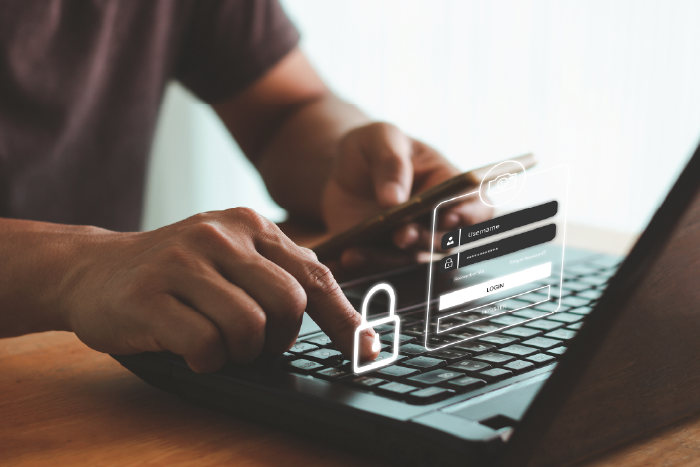
In today’s connected online world, the risk of identity theft is hard to avoid. But there are ways to minimize identity theft risks and stay ahead of scammers and thieves who want your personal information.
Use Card Protections
Using your debit card is a great convenience, but we recommend using an alternate means of payment such as a credit card for online transactions and when traveling abroad. In order to avoid excessive holds on your account, it is also recommended to use another payment method when booking hotels, airfares, or vehicle rentals.
It is crucial to report any unknown transactions within 30 days. Make it a habit to regularly review transactions on your statements and immediately report any unauthorized purchases or transactions. It can be a hassle to deal with these issues, even if you aren’t on the hook for charges. It is better to minimize the risk with identity theft best practices.
Choose unique PINs. Avoid using your Social Security number, birthdate, or variations that are easy to guess. Don’t keep your PIN written down anywhere.
Tear up or shred receipts and bills before you throw them away.
Sign up for debit card activity alerts to get notified anytime a transaction is made on your card.
Look for Security Signs
Before you shop or otherwise engage with a website, check for important security safeguards. Reputable companies use an SSL certificate to verify the website’s identity and provide an encrypted connection.
Checking for an SSL certificate is simple—look for a lock symbol to the left of the company name and "https" in the URL. Learn more here.
Watch Your Links
Phishing links often imitate legitimate companies or websites as a way to procure your personal information. Before you click any link or attachment—even those from companies or people you know and trust—check for typos, misspellings, or other red flags. It’s possible they were hacked or spoofed and the link will allow scammers to access your info or download a virus to your device.
Be wary of pushy calls-to-action or limited-time offers that require your personal information. Deals that seem too good to be true often are. Learn more here.
Telemarketing Traps
Offers of free trips, discounted magazine subscriptions, and the like are the most common form of telemarketing. Sometimes, these calls are legit. Other times…not so much.
Telemarketing fraud impacts all ages, but it’s the top contact method for fraud reports for people ages 70-79 and 80 and older. The most common scams include business imposters, tech support scams, prizes, sweepstakes and lotteries, and government imposters.
If you receive an unsolicited phone call from a company you don’t know, ask them to send you information in the mail about their products or offer. Even if the call is from a company you’re familiar with or have done business with in the past, be careful about giving out personal information over the phone.
Report suspicious calls to the FTC by filing a consumer complaint form or calling the hotline, 1-877-FTC-HELP.
You can also add your number to the Do Not Call List, but keep in mind there are still millions of violations of numbers on the list.
Resources for Victims
To learn more about fraud and its impacts on your financial security, visit Fraud.org, the National Consumer League’s Fraud Information Center website.
Contact Fairmont Federal Credit Union immediately if you think your account has been compromised. Then visit IdentityTheft.gov to report the theft and find out next steps.
Reference:
https://www.fairmontfcu.com/membership-education/fraud-id-theft-prevention/card-safety.html
https://fairmontfcu.banzai.org/wellness/resources/identity-theft